
Technical SEO Checklist for Faster Rankings in 2026
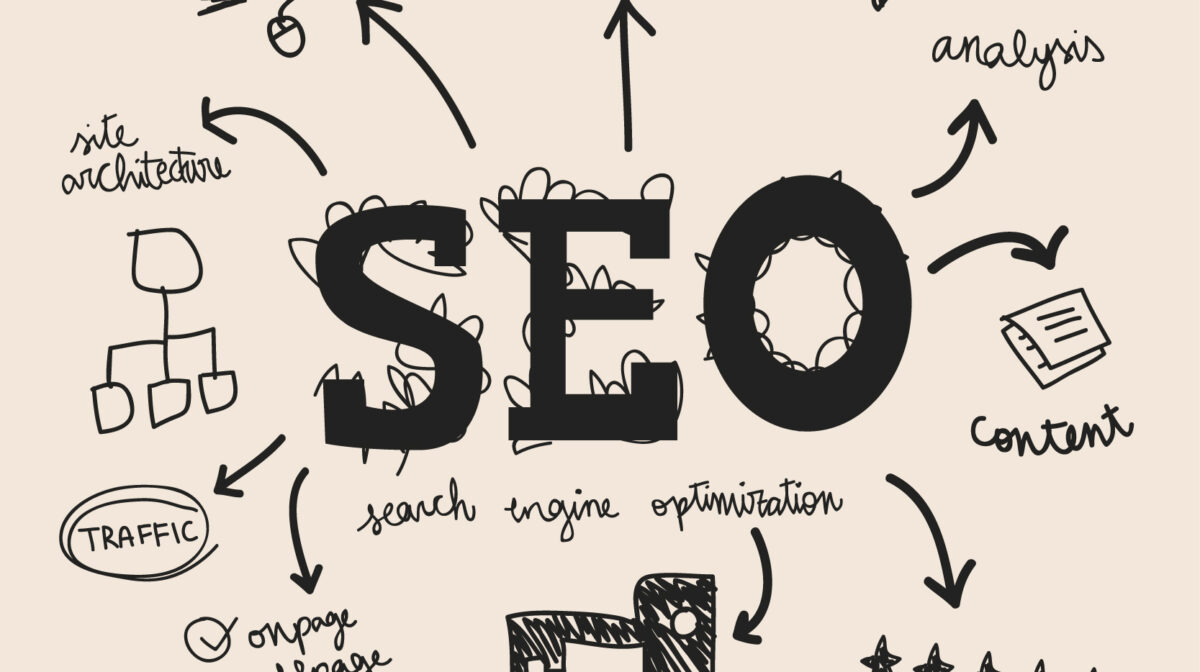
Search engine optimization in 2026 is no longer just about keywords and backlinks. Technical SEO has become the backbone of fast rankings, sustainable organic growth, and long-term visibility—especially in an era dominated by AI-powered search, Core Web Vitals, and user experience signals.
If your website isn’t technically sound, even the best content and link strategies will struggle to rank. This comprehensive Technical SEO Checklist for 2026 will help you identify, fix, and optimize the most critical technical factors Google and other search engines care about today.
At LogicEra System, we work with businesses to build SEO-ready websites that rank faster, convert better, and scale smoothly. This checklist reflects real-world strategies we use to achieve measurable SEO results.
What Is Technical SEO and Why It Matters in 2026?
Technical SEO focuses on optimizing your website’s infrastructure so search engines can crawl, index, understand, and rank your pages efficiently.
In 2026, Google prioritizes:
- Page experience & performance
- Mobile-first indexing
- AI-driven content interpretation
- Site security & trust signals
- Structured data & entity understanding
Without a strong technical foundation, your website becomes invisible—even with great content.
Complete Technical SEO Checklist for 2026
1. Crawlability & Indexability Optimization
Search engines must be able to find and access your pages.
Checklist:
- Ensure robots.txt isn’t blocking important pages
- Submit XML sitemap in Google Search Console
- Remove orphan pages (pages without internal links)
- Fix crawl errors (404, 500, redirect loops)
- Use clean URL structures
Pro Tip: Regular crawl audits using tools like Screaming Frog or Sitebulb help prevent hidden indexing issues.
2. Mobile-First Indexing (Non-Negotiable in 2026)
Google fully evaluates your site based on its mobile version.
Best Practices:
- Responsive design (not separate mobile URLs)
- Identical content on desktop and mobile
- Mobile-friendly navigation
- Touch-optimized buttons & spacing
If your mobile site is slow or broken, your rankings will suffer—even on desktop searches.
3. Core Web Vitals & Page Speed Optimization
Google continues to reward websites that deliver fast, smooth, and stable experiences.
2026 Core Web Vitals Targets:
- LCP (Largest Contentful Paint): ≤ 2.5s
- INP (Interaction to Next Paint): ≤ 200ms
- CLS (Cumulative Layout Shift): ≤ 0.1
Optimization Techniques:
- Use CDN for faster delivery
- Optimize images (WebP/AVIF)
- Minify CSS, JS, HTML
- Lazy-load offscreen assets
- Reduce third-party scripts
At LogicEra System, performance optimization is a core part of every SEO project because speed directly impacts rankings and conversions.
4. Secure Website (HTTPS & Trust Signals)
Security is a ranking factor—and a trust signal for users.
Checklist:
- HTTPS enabled with valid SSL certificate
- No mixed content errors
- Secure login & form submissions
- Regular security updates
A non-secure site in 2026 is a red flag for both users and search engines.
5. URL Structure & Canonicalization
Clean URLs improve crawl efficiency and relevance.
Best Practices:
- Short, descriptive URLs
- Avoid dynamic parameters when possible
- Use hyphens, not underscores
- Implement canonical tags to avoid duplicate content
Proper canonicalization ensures search engines rank the correct version of your pages.
6. Structured Data & Schema Markup
Schema markup helps search engines understand your content contextually, improving visibility in rich results.
Essential Schema Types in 2026:
- Organization
- Article / BlogPosting
- FAQ
- Breadcrumb
- Product / Service
- LocalBusiness (if applicable)
Schema improves CTR, voice search visibility, and AI-generated search summaries.
7. Internal Linking & Site Architecture
Strong internal linking distributes authority and improves crawl depth.
Checklist:
- Logical silo structure
- Contextual internal links
- Breadcrumb navigation
- Avoid excessive clicks (≤ 3 clicks to key pages)
Search engines value clear topical clusters, especially for authority-driven SEO.
8. JavaScript SEO Optimization
Modern websites rely heavily on JavaScript—but poorly implemented JS can break SEO.
Best Practices:
- Server-side rendering (SSR) or dynamic rendering
- Ensure content loads without user interaction
- Test JS rendering in Google Search Console
- Avoid blocking scripts
Technical SEO in 2026 requires JS awareness, not avoidance.
9. Duplicate Content Management
Duplicate content dilutes ranking signals.
Solutions:
- Canonical tags
- Proper pagination handling
- Noindex low-value pages
- Avoid auto-generated content duplication
This is especially critical for eCommerce and large service websites.
10. Image & Media Optimization
Images now appear prominently in search and AI results.
Checklist:
- Descriptive file names
- Optimized alt text
- Compressed images
- Image sitemap (if media-heavy)
Visual SEO plays a bigger role in discovery than ever before.
11. International & Multilingual SEO (If Applicable)
For global websites:
- Correct hreflang implementation
- Country-specific URLs
- Localized content (not machine-translated only)
Incorrect hreflang setups can destroy international rankings.
12. Log File Analysis (Advanced SEO)
Analyzing server logs reveals how search bots interact with your site.
Benefits:
- Identify crawl waste
- Discover ignored pages
- Optimize crawl budget
- Detect bot errors
This is an advanced but powerful SEO technique used by expert agencies like LogicEra System.
13. AI Search & Entity SEO Readiness
Search engines now evaluate entities, not just keywords.
Optimization Tips:
- Clear author profiles
- Consistent brand mentions
- Structured data for entities
- Accurate About & Contact pages
This directly supports EEAT (Experience, Expertise, Authoritativeness, Trustworthiness).
EEAT Best Practices for Technical SEO
To build trust and authority:
- Author bios with credentials
- Transparent business information
- Verified contact details
- Secure payment & privacy policies
- Regular technical audits
Google rewards websites that are credible, reliable, and user-focused.
Why Technical SEO Is Critical for Faster Rankings in 2026
Faster indexing
Higher crawl efficiency
Improved user experience
Stronger AI search compatibility
Long-term ranking stability
Technical SEO isn’t optional—it’s the foundation of modern SEO success.
At LogicEra System, we combine technical excellence with strategic SEO to help businesses rank faster and smarter.
Frequently Asked Questions (FAQs)
What is the most important technical SEO factor in 2026?
Core Web Vitals, mobile-first performance, and crawlability are the most impactful technical factors.
How often should technical SEO audits be done?
At least quarterly, or after major website updates.
Does technical SEO help content rank faster?
Yes. A technically optimized site allows content to be indexed, understood, and ranked more efficiently.
Is HTTPS still a ranking factor?
Yes. Security and user trust remain critical ranking signals.
Can small businesses benefit from technical SEO?
Absolutely. Technical SEO levels the playing field and helps smaller sites compete with larger brands.
Does LogicEra System provide technical SEO services?
Yes. LogicEra System offers complete technical SEO audits, fixes, performance optimization, and ongoing SEO support.
Final Thoughts
SEO in 2026 is smarter, faster, and more technical than ever before. A well-implemented technical SEO checklist ensures your website is ready for AI search, algorithm updates, and evolving user expectations.If you want faster rankings, better performance, and long-term SEO success, technical SEO must be your priority.