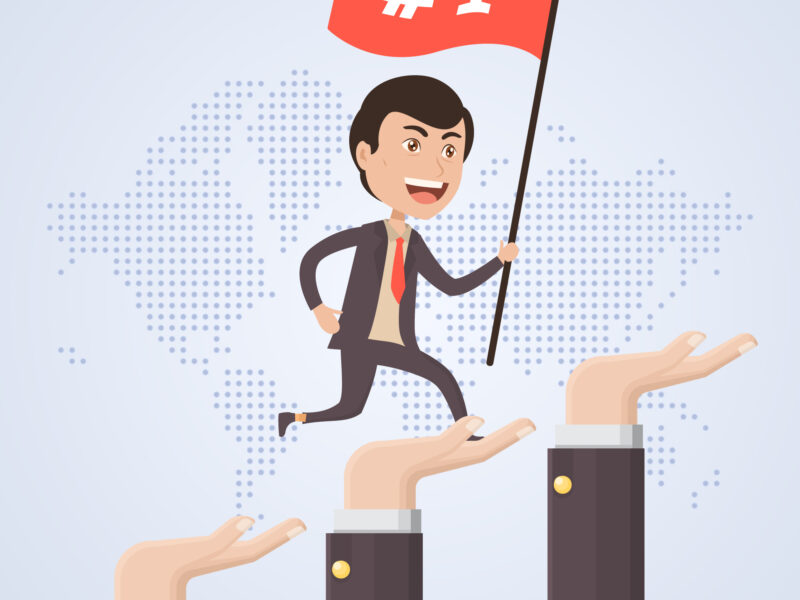
Imagine this: you’ve invested heavily in SEO. You’ve hired experts, optimized your website, built backlinks, and painstakingly crafted content. You check Google, and there it is—your website is ranking #1 for your target keyword. You feel the excitement, the thrill of digital victory… and then, nothing. No traffic, No leads, No sales. Just… crickets.
If this scenario feels familiar, don’t worry—you’re not alone. At Logic Era, we’ve seen countless businesses hit this frustrating plateau. Ranking #1 on Google is an achievement, but it doesn’t automatically guarantee traffic. In this post, we’ll explore why this happens and how you can convert your ranking into real results.
1. Ranking #1 Doesn’t Always Mean What You Think
When most people think of ranking #1, they imagine a flood of visitors. The truth is, the online landscape is more complex than that. Here’s why:
a) Search Intent Mismatch
Google is designed to serve users the content they actually want. If your page ranks #1, but it doesn’t match the user’s intent, clicks may be low. For example, your page might target the keyword “best SEO tools”, but if your content focuses on a general definition rather than actionable recommendations, users may skip your result in favor of competitors offering exactly what they need.
b) Featured Snippets and SERP Layouts
The Search Engine Results Page (SERP) has evolved. Today, ranking #1 doesn’t always mean your link is the first visible result. Features like:
- People Also Ask (PAA) boxes
- Featured snippets
- Google Maps packs
- Shopping carousels
…can push your organic listing below the fold. Users may never see your link even if you technically hold the #1 spot.
2. Your Meta Title and Description Might Be Costing You Clicks
Even if your website ranks at the top, your meta title and meta description play a huge role in whether people click. These are your digital “billboards” in the SERP.
- A generic title like “SEO Services by Logic Era” may not entice clicks.
- A weak meta description that simply repeats the keyword offers no compelling reason to visit your page.
Solution: Optimize for both SEO and engagement. For example:
Before:
SEO Services by Logic Era
After:
Boost Your Website Traffic with Proven SEO Strategies – Get Expert Help from Logic Era Today!
Notice how the latter is action-oriented, clearly communicates value, and encourages users to click.
3. Mobile Experience and Page Speed
In 2026, over 60% of all web traffic comes from mobile devices. Ranking #1 on Google doesn’t matter if your website:
- Loads slowly
- Isn’t mobile-friendly
- Has intrusive pop-ups
These factors dramatically reduce user engagement, increasing bounce rates. Google’s algorithm also penalizes poor user experience, meaning that even if you rank #1 initially, you may lose traffic over time as users abandon your page.
Tip from Logic Era: Use tools like Google PageSpeed Insights and Lighthouse to monitor performance. Ensure your pages load in under 3 seconds and are fully responsive across devices.
4. Your Target Keyword Might Be Too Broad
Sometimes, businesses celebrate ranking #1 for a keyword that seems perfect—but in reality, it’s too broad. High-ranking keywords like “SEO” or “digital marketing” often have high competition and vague intent. Users searching for these terms may not be ready to convert—they might just be researching.
Instead, focus on long-tail keywords that align with user intent. For instance:
- Instead of “SEO”, target “affordable SEO services for small businesses in London”
- Instead of “digital marketing”, target “how to improve website traffic using SEO in 2026”
These keywords attract qualified visitors more likely to engage, request services, or make purchases.
5. Lack of Rich Media and Interactive Content
Google doesn’t just rank text anymore. Modern users crave engaging, visual, and interactive experiences. Pages that rely solely on long blocks of text may fail to capture attention, even at the top of search results.
Examples of engaging content:
- Infographics explaining complex SEO concepts
- Videos showcasing step-by-step tutorials
- Interactive calculators or quizzes
- Case studies with real results
At Logic Era, we emphasize content that not only ranks but also converts. By integrating rich media, we ensure visitors spend more time on your page, improving both engagement and conversion metrics.
6. Strong Competitors in SERP Features
Even at #1, you may be competing with:
- Paid ads that dominate the top of the page
- Knowledge panels highlighting brands like HubSpot, Moz, or Neil Patel
- Videos and carousels that capture more visual attention
These elements reduce organic traffic potential, meaning even top-ranked pages may receive fewer clicks than expected.
Pro Tip: Consider a multi-channel strategy. Use paid campaigns, social media, and email marketing to complement organic traffic. Ranking #1 is great—but building visibility across channels ensures steady leads.
7. Poor Internal Linking and Site Architecture
You might attract traffic to a single page, but if your site architecture is weak, visitors won’t explore further. Pages without clear navigation, contextual links, or CTAs can fail to convert.
Logic Era Strategy: We implement internal linking that:
- Guides users to high-converting pages
- Distributes link authority to improve overall SEO
- Enhances user experience to increase dwell time
The result? More than just clicks—real engagement and measurable ROI.
8. You’re Not Leveraging Local SEO
If your business targets a specific geographic area, ranking #1 on a global scale may not bring the traffic you need. Local SEO ensures your business appears when it matters most—near potential customers.
Key local SEO tactics include:
- Optimizing your Google Business Profile
- Building local citations and directory listings
- Encouraging customer reviews
Local SEO doesn’t just increase visibility—it builds trust. Users searching for services nearby are far more likely to convert.
9. Traffic vs. Conversion: The Bigger Picture
Sometimes, it’s not a traffic problem—it’s a conversion problem. A page might attract visitors but fail to convert them into leads or customers because:
- The CTA is unclear or hidden
- The landing page copy doesn’t match intent
- The trust signals (like testimonials or certifications) are missing
At Logic Era, we always analyze the full funnel. Ranking #1 is important, but the ultimate goal is business growth, not vanity metrics.
10. How Logic Era Fixes This Issue
So, how can your website stop being a top-ranked ghost town? Here’s how Logic Era addresses the problem:
Step 1: Audit & Analyze
We start by auditing your website and SERP presence to identify why traffic isn’t converting. This includes keyword intent analysis, technical SEO checks, and competitor benchmarking.
Step 2: Optimize Clickability
We enhance meta titles, descriptions, and structured data to make your listing irresistible in the SERPs.
Step 3: Improve UX & Engagement
We optimize for mobile, page speed, interactive content, and user experience. Every change is designed to increase dwell time, reduce bounce, and boost conversions.
Step 4: Target the Right Audience
We implement long-tail keyword strategies and local SEO tactics to attract qualified traffic that’s ready to engage.
Step 5: Monitor & Refine
SEO is not set-and-forget. We continuously monitor performance, adjust campaigns, and ensure your #1 ranking translates into real business results.
FAQs
1. Why am I ranking #1 on Google but getting no traffic?
Ranking #1 doesn’t guarantee clicks. Factors like search intent mismatch, weak meta titles/descriptions, SERP features, or a poor user experience can prevent users from visiting your site. Optimizing for both rankings and engagement is essential.
2. Can meta titles and descriptions affect clicks even if I’m #1?
Yes. Your meta title and description act as your “ad” in Google. If they aren’t compelling and relevant, users are less likely to click, even if you rank #1.
3. How can I improve traffic from a top-ranked page?
Focus on user experience, mobile optimization, page speed, long-tail keywords, and rich content like videos, infographics, or case studies. At Logic Era, we optimize all these factors to convert rankings into real traffic.
4. Is local SEO important if I already rank #1?
Absolutely. If your business targets a geographic area, global rankings might not help. Local SEO, including Google Business Profile optimization, local citations, and reviews, ensures you attract nearby customers ready to convert.
5. What role does search intent play in traffic?
Even if your page ranks high, it may not meet the intent behind the search query. Aligning your content with user intent—informational, navigational, or transactional—ensures visitors click and engage.
6. Could competitors in SERP features reduce my traffic?
Yes. Google often displays ads, featured snippets, videos, and “People Also Ask” boxes that push organic listings lower on the page, reducing clicks despite your #1 ranking.
7. How does Logic Era help businesses convert rankings into leads?
Logic Era combines technical SEO, content optimization, UX improvements, and conversion-focused strategies to ensure your top-ranking pages generate real traffic, leads, and sales.
Conclusion: Ranking #1 Isn’t the Finish Line
If your website is #1 on Google but you’re still seeing low traffic, the problem likely isn’t your SEO—it’s the bigger picture. Factors like search intent, meta optimization, user experience, and conversion strategies all play critical roles.
At Logic Era, we don’t just focus on rankings. We help businesses like yours turn top positions into real traffic, leads, and revenue. Remember: ranking #1 is an achievement, but real success comes when users engage and convert.
Ready to Turn Your SEO Rankings Into Real Results?
If you want to stop chasing empty rankings and start generating meaningful traffic, leads, and sales, Logic Era can help. Our expert SEO services are tailored to ensure your website not only ranks but thrives.
Contact us today to see how we can transform your #1 ranking into measurable business growth.