
In today’s hyper-competitive digital landscape, businesses are constantly searching for the most effective way to drive traffic, generate leads, and increase revenue. Two of the most powerful strategies dominating online marketing are Search Engine Optimization (SEO) and Paid Advertising (PPC). But as we move deeper into 2026, the question remains: which one is better?
The truth is, there isn’t a one-size-fits-all answer. Both SEO and paid ads have evolved significantly, influenced by AI-driven algorithms, changing consumer behavior, and increasing competition. In this blog, we’ll break down both strategies in detail, compare their strengths and weaknesses, and help you decide what works best for your business.
Understanding SEO in 2026
Search Engine Optimization (SEO) is the process of optimizing your website to rank higher on search engines like Google organically. Unlike paid ads, SEO doesn’t require you to pay for each click. Instead, it focuses on building long-term visibility.
Key Elements of Modern SEO
In 2026, SEO is no longer just about keywords. It has become more sophisticated and user-focused:
- AI-driven search algorithms prioritize user intent over keyword stuffing
- Core Web Vitals and page experience are critical ranking factors
- High-quality, helpful content dominates search rankings
- Voice and conversational search optimization is rising
- E-E-A-T (Experience, Expertise, Authority, Trustworthiness) plays a major role
If implemented correctly, SEO can bring consistent and long-lasting traffic to your website. For businesses looking to build a strong online presence, investing in professional SEO services like those offered at Logic Era can be a game-changer.
What Are Paid Ads?
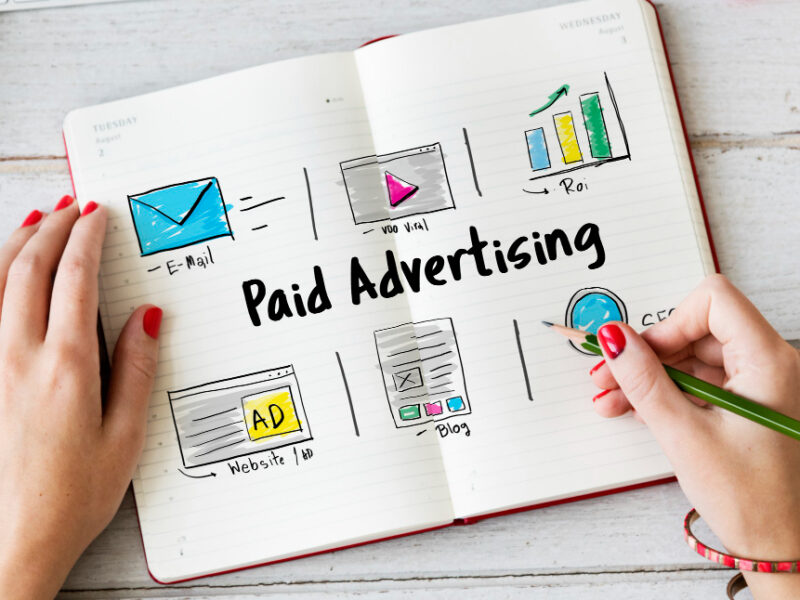
Paid advertising, commonly known as PPC (Pay-Per-Click), involves paying platforms like Google Ads or social media channels to display your ads to targeted audiences.
Common Types of Paid Ads
- Search ads (Google Ads)
- Display ads
- Social media ads (Facebook, Instagram, LinkedIn)
- Video ads (YouTube)
- Shopping ads
With paid ads, you can get instant visibility at the top of search engine results pages (SERPs). However, this visibility comes at a cost literally.
SEO vs Paid Ads: Key Differences
Let’s compare both strategies side by side:
1. Cost
- SEO: Requires upfront investment in content, technical optimization, and link building, but traffic is essentially free once you rank.
- Paid Ads: You pay for every click or impression. Costs can increase significantly in competitive industries.
Winner: SEO (long-term cost efficiency)
2. Speed of Results
- SEO takes time (usually 3–6 months or more) to show significant results
- Paid Ads: Instant traffic and visibility
Winner: Paid Ads (short-term results)
3. Sustainability
- SEO: Long-lasting results. Rankings can stay stable for months or years with proper maintenance
- Paid Ads: Traffic stops immediately when you stop spending
Winner: SEO
4. Credibility & Trust
- SEO: Organic results are perceived as more trustworthy by users
- Paid Ads: Some users skip ads entirely
Winner: SEO
5. Targeting Capabilities
- SEO: Targets users based on search intent
- Paid Ads: Allows advanced targeting (demographics, interests, location, behavior)
Winner: Paid Ads
6. ROI (Return on Investment)
- SEO: Higher ROI over time due to compounding traffic
- Paid Ads: ROI depends on budget, bidding strategy, and optimization
Winner: SEO (long-term), Paid Ads (short-term campaigns)
The Role of AI in 2026
One of the biggest shifts in digital marketing is the integration of artificial intelligence.
SEO + AI
- AI tools help with keyword research, content creation, and optimization
- Search engines are smarter, focusing on context and user behavior
- Content quality matters more than ever
Paid Ads + AI
- Automated bidding strategies
- AI-powered audience targeting
- Predictive analytics for better conversions
Both SEO and paid ads are benefiting from AI, but SEO is becoming more human-centric rewarding content that genuinely helps users.
When Should You Choose SEO?
SEO is the best choice if:
- You want long-term growth
- You aim to build brand authority
- You have time to invest in organic strategies
- You want cost-effective traffic
Businesses that invest in SEO early often dominate their industry over time. With proper strategy and execution, SEO can turn your website into a lead-generating machine.
When Should You Choose Paid Ads?
Paid ads are ideal if:
- You need immediate results
- You’re launching a new product or service
- You want to test markets quickly
- You have a flexible marketing budget
Paid ads are especially useful for short-term campaigns, promotions, and seasonal offers.
The Best Strategy in 2026: Combine Both
Here’s the reality the smartest businesses don’t choose between SEO and paid ads. They use both.
How to Combine SEO and Paid Ads
- Use paid ads for quick traffic while SEO builds organic rankings
- Target high-converting keywords with ads and long-tail keywords with SEO
- Retarget SEO visitors using paid campaigns
- Use paid ads data to improve SEO strategy
This hybrid approach ensures:
✔ Immediate visibility
✔ Long-term growth
✔ Better ROI overall
Trends Shaping SEO and Paid Ads in 2026
To stay ahead, businesses must adapt to the latest trends:
SEO Trends
- AI-generated search summaries (zero-click searches)
- Voice search optimization
- Visual search (image-based queries)
- Topic clusters instead of single keywords
Paid Ads Trends
- Increased competition and rising CPC
- Privacy changes limiting tracking (cookieless future)
- More reliance on first-party data
- AI-driven ad creatives
Common Mistakes to Avoid
In SEO
- Ignoring technical SEO
- Publishing low-quality content
- Not optimizing for mobile
- Expecting instant results
In Paid Ads
- Poor targeting
- Not tracking conversions
- Wasting budget on irrelevant clicks
- Ignoring landing page optimization
Avoiding these mistakes can significantly improve your results.
Final Verdict: Which Is Better?
So, SEO vs Paid Ads which is better in 2026?
If you want fast results: Go for Paid Ads
If you want long-term success: Invest in SEO
If you want maximum growth: Combine both
SEO is like planting a tree it takes time but provides long-lasting benefits. Paid ads are like renting a billboard: instant visibility, but only as long as you pay.
Conclusion
In 2026, digital marketing is no longer about choosing one strategy over another. It’s about understanding your business goals and using the right mix of tools to achieve them.
SEO remains the backbone of sustainable online growth, while paid ads provide the speed and flexibility needed in a competitive market. Businesses that strike the right balance between the two will outperform their competitors and dominate search results.
If you’re serious about growing your online presence, now is the time to invest in a strong SEO foundation while strategically leveraging paid ads for immediate gains. The future belongs to businesses that think long-term and act smart today.